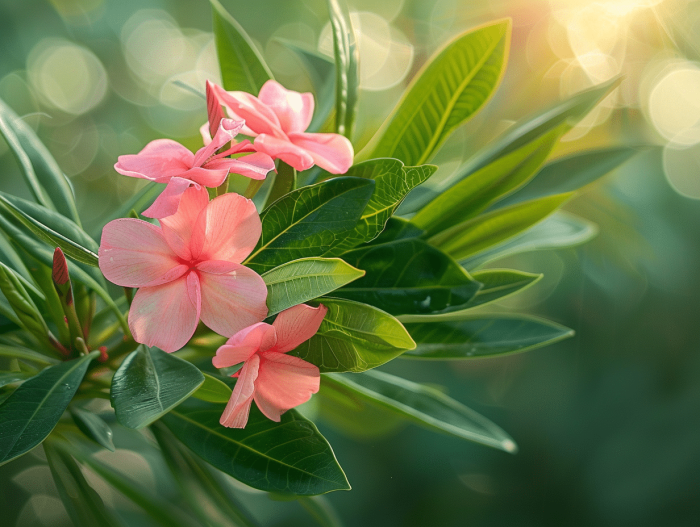
The oleander is a Mediterranean shrub prized for its vibrant flowering and its ability to withstand drought. Even the hardiest plants can encounter difficulties. Between pest attacks such as scale insects and aphids, fungal diseases like botrytis, or issues related to improper watering, gardeners must remain vigilant. Identifying early signs of these problems, such as yellowing leaves or the appearance of spots, is essential for quick intervention. Proper treatment, whether preventive or curative, is crucial to keep your oleander healthy.
Diagnosis of Common Symptoms of Oleander
Yellow leaves on oleander: this common symptom can indicate various pathologies. Yellowing leaves often suggest water stress or a nutrient deficiency. It is important to examine the watering, ensuring it is neither excessive nor insufficient, and to check the soil fertility. A more in-depth analysis may reveal a deficiency in elements such as nitrogen, iron, or magnesium, which are essential for the plant’s health.
In the presence of spots on the oleander, it is likely that leaf spot disease is to blame. These marks, often circular and brown or black in color, typically appear after prolonged periods of humidity. They are a sign of a fungal attack requiring quick intervention to prevent the spread of the infection.
As for harmful insects, aphids and scale insects are common pests that attack oleander, feeding on its sap and weakening the plant. Their presence can be detected with the naked eye or by the sticky traces they leave on the leaves, sometimes leading to the appearance of sooty mold, this blackish layer resulting from the growth of fungi on the sugary excretions of the insects.
Sooty mold, a fungal disease, settles on the foliage, hindering photosynthesis and thus the overall health of the oleander. This fungus develops on the sticky substances left by aphids and scale insects, and while its appearance is mainly unsightly, it can also reduce the plant’s vigor by limiting its access to light. Proper pest management is therefore essential to prevent this condition.
Treatment and Prevention Strategies for a Healthy Oleander
In the face of oleander diseases, prevention proves to be as decisive as treatment. Regular and appropriate fertilization strengthens the plant’s natural defenses. Use specific fertilizers for oleander, rich in essential nutrients that promote harmonious growth and abundant flowering. The role of photosynthesis in plant health is central: ensure that your shrub receives adequate light exposure and is not hindered by plant overcrowding or harmful sooty mold.
Natural treatments, such as nettle manure, are valuable allies in preserving the health of oleander. As a natural repellent against many pests and diseases, this organic treatment enhances the plant’s resistance. It is recommended to apply it preventively, starting in the spring, and to repeat the operation at regular intervals to maintain its effectiveness.
In the case of a confirmed infestation of aphids or scale insects, use black soap diluted in water to clean the leaves and eliminate these pests. This simple and eco-friendly treatment can be applied directly to the affected areas using a sponge or a sprayer. Be sure to do this in the late afternoon to avoid any leaf burn from the sun’s rays. Regular maintenance and attention to the plant’s signals are key to a flourishing oleander that is resistant to diseases.