
A repositioned sofa, a removable partition installed on a Sunday afternoon, a radiator replaced before choosing the wall color: transforming your interior rarely starts with decor. We often begin with a concrete constraint, like fitting a desk into the living room or a bedroom that overheats in summer, and it is this constraint that dictates the right choices.
Energy performance: the invisible work before decoration
Repainting a wall when the insulation is inadequate is like putting a band-aid on a broken leg. Since January 1, 2025, homes rated G in the energy performance diagnosis can no longer be offered for rent during a new lease, renewal, or extension. This rule changes the game for rental property owners, but also for occupants considering renovations.
The thermal envelope takes precedence over the choice of decorative materials. Insulating the attic or replacing windows alters the thickness of interior walls, shifts electrical outlets, and changes usable living space. Planning decor without knowing these parameters often forces a complete restart.
This type of feedback is regularly found in the home section of Journal Global, where housing topics intersect with regulations and practical choices in daily life.
Summer overheating also becomes a criterion for interior design. The RE2020 includes an indicator of discomfort degree-hours for new constructions. For existing homes, external solar protections, night ventilation, and wall inertia remain the most effective levers. In practical terms, it is beneficial to install shutters or sunshades before investing in patio furniture.
Reversible layout: adapting a room without breaking down walls
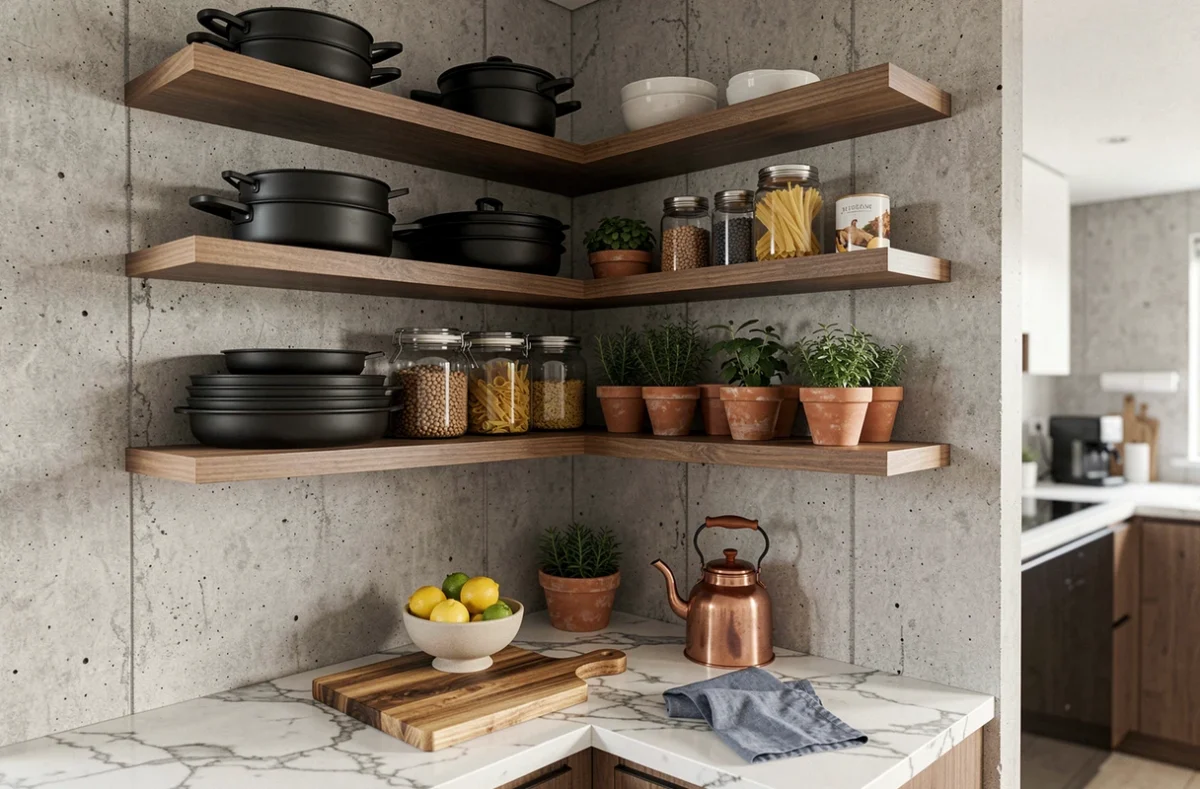
The open-plan layout, popular for years, shows its limits as soon as you work from home in the same room as the rest of the family. Soft separations and modular furniture replace fixed partitions.
A thick curtain on a rail, a rolling bookshelf, a removable wooden screen: these solutions allow you to create a workspace in the morning and an open living room in the evening. No heavy intervention, no permits, and the configuration remains adjustable as needs change.
Three elements to test before investing
- A low piece of furniture placed perpendicular to the wall visually separates two areas without blocking natural light. It can be moved in minutes to restore the original volume.
- A sliding Japanese screen, fixed to the ceiling on a rail, creates a real visual and acoustic break between a work corner and a living space, for a moderate budget.
- Rugs of different sizes delineate areas on the floor. The brain interprets a change in texture as a change in room, even without a physical wall.
Feedback varies on the sound insulation of these lightweight solutions: a wooden screen filters little sound, while a heavy curtain lined with technical fabric makes a real difference. The choice depends on the level of quiet sought.
Reuse of furniture: decorating with verified second-hand pieces
Buying second-hand furniture no longer means rummaging through a haphazard collection. Resource centers and refurbishment platforms now offer verified, cleaned, and sometimes restored pieces. The reuse of furniture is becoming professionalized and is a real decor option.
This evolution aligns with the goals of the REP furniture sector regarding repair. In practice, you can find dressers, solid wood tables, or designer chairs at a fraction of the price of new ones, with controlled condition.
When antique furniture structures the style of a room
An oak sideboard found in a resource center can become the focal point of a contemporary living room. The contrast between an antique piece and a wall painted in a bold shade (sage green, terracotta) creates a visual tension that brand new items struggle to replicate.
Mixing eras gives more character than a room bought all at once. It avoids the catalog effect, and each piece tells a story. Patinated wood, original handles, and small signs of use contribute to the atmosphere without the need for staging.
Color and light: two levers that change the perception of a space
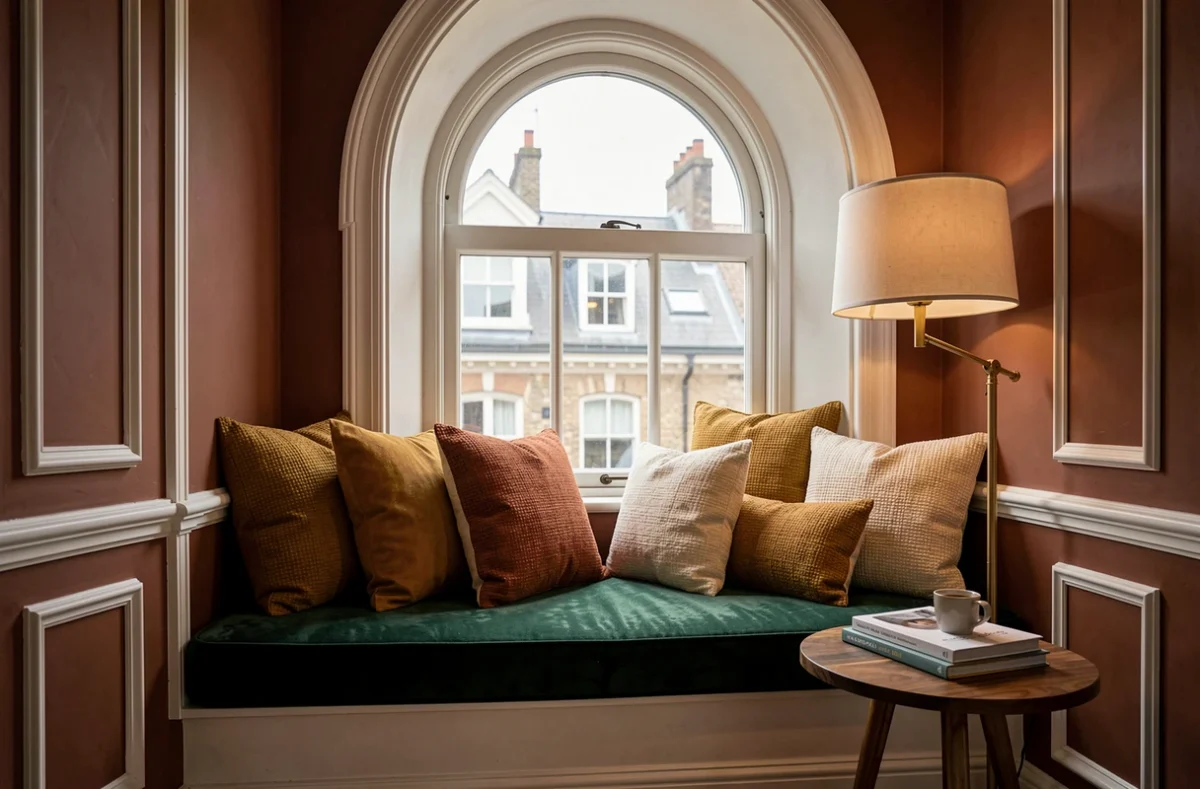
Changing the color of just one wall in a bedroom or living room alters the perceived depth of the room. A dark tone on the back wall gives the impression of bringing the wall closer, while a light shade on the side walls visually expands the space.
Paint remains the least expensive intervention with the greatest visual impact. It typically takes a day’s work for a standard room, without any particular technical skills.
Light plays a complementary role. Multiplying light sources at different heights (table lamp, wall sconce, pendant) allows you to modulate the atmosphere according to the time of day. A single ceiling light flattens volumes and creates unflattering shadow areas.
Combining color and lighting for a coherent result
A common mistake is to choose a color in-store under neon lighting, only to find a very different result at home. The color temperature of bulbs (warm or cool) alters the perception of a shade. It is beneficial to test a paint sample directly on the relevant wall and then observe it at different times with the usual lighting.
Testing paint on-site before buying the full pot avoids most disappointments. It’s a simple reflex that saves time and money.
Transforming an interior doesn’t necessarily require a large budget or an architect. Insulation first, then modular layout, second-hand furniture for character, and a focus on color and light to finish: these four axes cover most concrete situations. The most effective approach is to start with the constraint that is most bothersome in daily life.