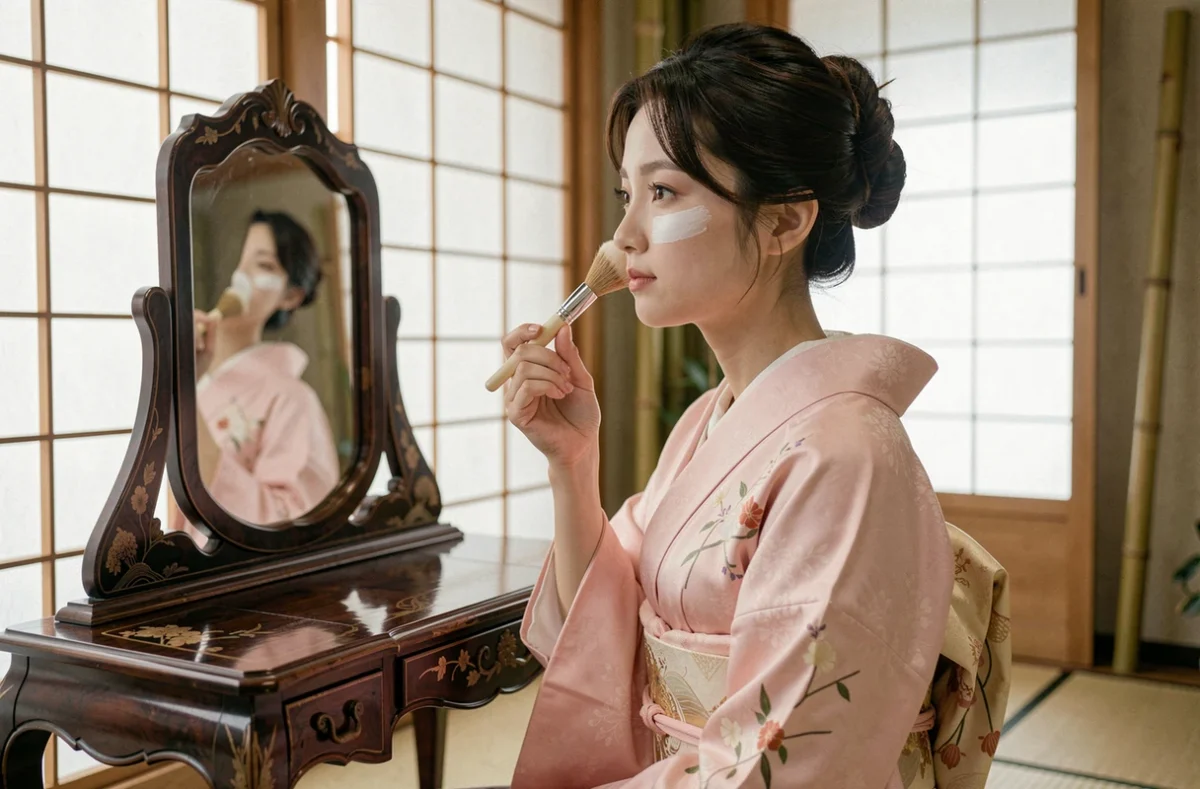
The beauty standards in Japan are based on an ancient cultural foundation, yet they continue to evolve under the influence of pop culture, regulated cosmetics, and a growing focus on well-being. The country clearly distinguishes between ordinary cosmetics and quasi-drugs, a regulatory category unique to the Japanese market that governs claims related to stain prevention or action on melanin.
This legal particularity directly shapes what brands can promise consumers and guides skincare practices.
Quasi-drugs and cosmetics in Japan: a regulatory boundary that structures skincare
In Japan, a classic cosmetic product cannot claim any effect on the structure or function of the skin. To promise a targeted whitening action or an anti-stain effect on melanin, the product must obtain the status of quasi-drug (yakuji-gaihin). This distinction, absent from European or American regulations, imposes efficacy testing and specific authorization.
This constraint has a direct consequence on beauty rituals: Japanese consumers read labels with particular attention, looking for the quasi-drug mention as a guarantee of results. Local brands formulate their whitening products within this strict framework, which explains the international reputation for reliability of Japanese skincare.
To better understand how these regulatory standards translate into daily aesthetic ideals, you can explore the Secret de Beauté website which details the dominant criteria in contemporary Japanese culture.
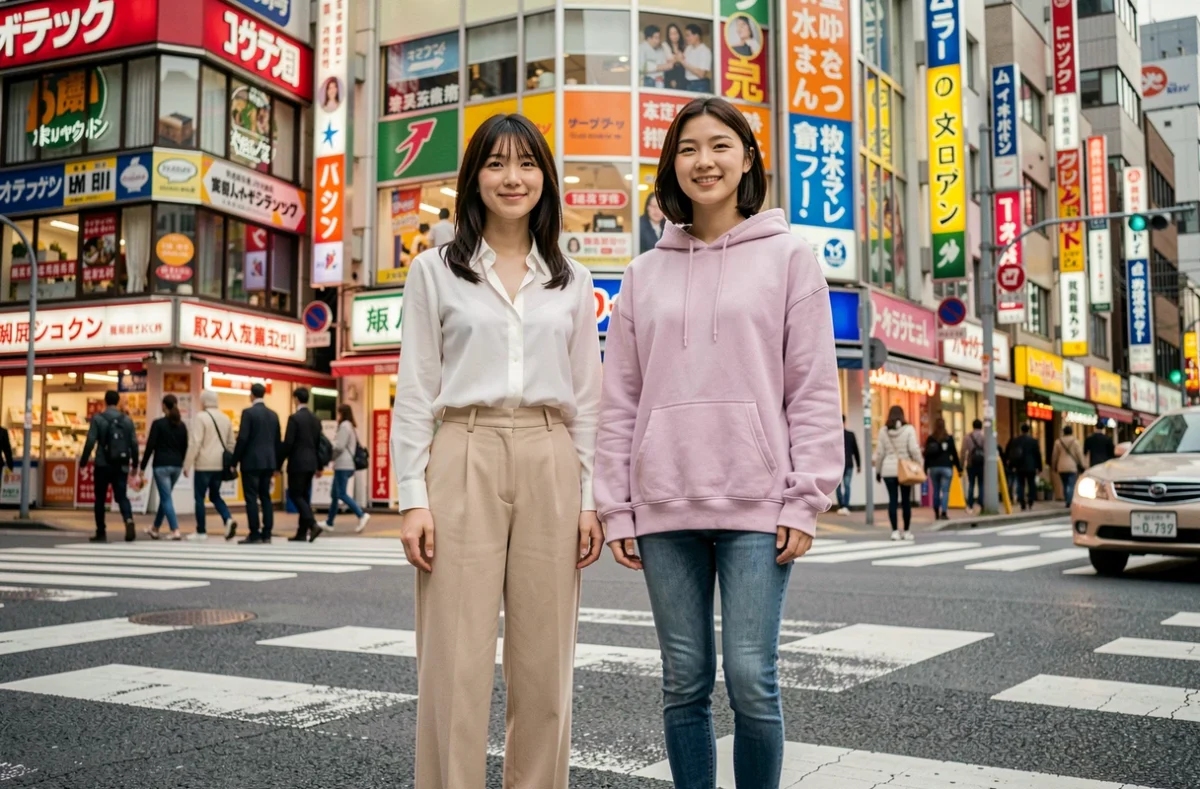
Mochi hada and bihaku: the two key concepts of the ideal Japanese skin
Two terms frequently arise in any discussion about skin beauty in Japan. The first, mochi hada, refers to skin that is plump and elastic like mochi (pounded rice cake). The second, bihaku, refers to a luminous, almost translucent complexion.
These two goals do not completely overlap. Mochi hada concerns texture and deep hydration. Bihaku focuses on evenness of tone and brightness. A typical Japanese skincare ritual layers several products (lotion, essence, serum, cream) precisely to meet these two requirements simultaneously.
What this changes in the daily routine
The layering of lightweight products rather than a single thick cream reflects a philosophy of prevention. The goal is to maintain the skin barrier intact to avoid damage rather than to correct it afterward. This preventive approach distinguishes J-Beauty from Western routines, which are often treatment-oriented.
The use of parasols, wide-brimmed hats, and high-SPF sunscreens in all seasons is part of the same reasoning. Daily sun protection is a beauty gesture, not just a health reflex.
Japanese makeup: the pursuit of a polished natural look
Makeup in Japan rarely aims for visible transformation. The dominant goal remains to appear well-groomed and rested, with a result that the Japanese describe as “natural but enhanced.” Lightweight foundation, discreet concealer, and blush applied high on the cheekbones form a recurring base.
The eyes receive a significant amount of attention. Enlarging the gaze involves several techniques:
- Cosmetic contact lenses with enlarged irises, worn daily by a notable portion of young Japanese women
- Using tape or glue to create a double eyelid fold, a common practice that sometimes precedes surgery
- Makeup on the lower lashes and eyeliner applied only on the outer part of the eye to elongate the gaze without weighing it down
Men’s makeup is also on the rise, particularly among young men. Foundation, concealer, and facial hair removal are becoming commonplace in major cities. The focus is on achieving a discreet result: appearing less tired, more polished, without visible makeup effects.
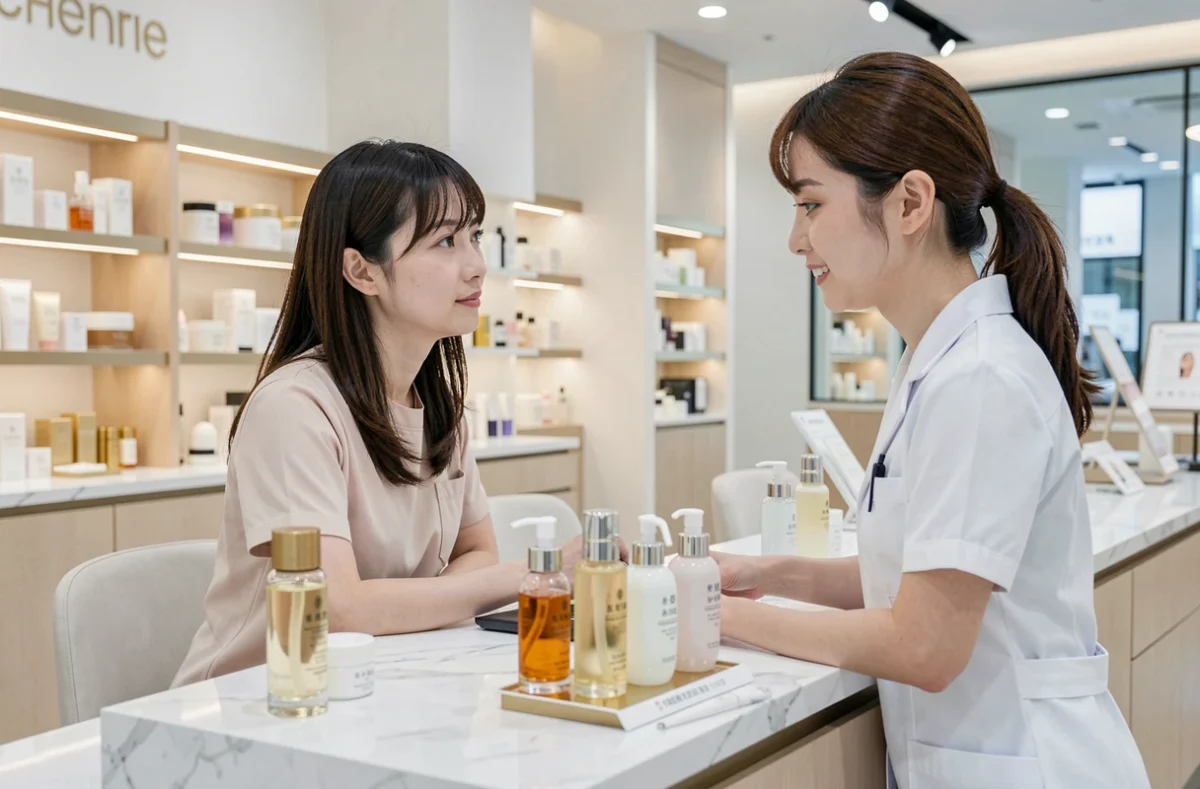
Men’s beauty in Japan: a market that goes beyond basic care
The idea that Japanese beauty standards concern only women no longer reflects the reality of the market. Japanese aesthetic clinics are seeing an increase in male clientele, with requests focused on hair removal, light anti-aging treatments, and skin care.
Choosing an aesthetic clinic in Japan relies on specific criteria that go beyond the displayed price. Patients evaluate the practitioner’s qualifications, the type of technology used, and online reviews on local platforms. Transparency about expected results is as important as the cost.
Declared motivations that go beyond appearance
Surveys conducted in the Japanese market show that motivations related to beauty increasingly incorporate well-being and self-confidence. Skincare is not only aimed at meeting an aesthetic ideal but also at feeling better on a daily basis. This shift towards prevention and self-care blurs the line between beauty and health.
Hair and silhouette: other aesthetic markers in Japan
Hair occupies a special place in Japanese beauty standards. Smooth, shiny, and well-maintained hair remains a strong marker, even though wavy hairstyles are gaining popularity among younger generations. Japanese hair salons offer very elaborate straightening and shine treatments, often longer and more technical than their Western counterparts.
The valued silhouette tends towards slimness and slender limbs, an ideal conveyed by fashion and media. Grace in gestures and posture is as important as the morphology itself. Well-groomed hands and feet, clean or precisely decorated nails contribute to an overall attention to detail that characterizes the Japanese approach to beauty.
- Nail care (nail art) in Japan reaches a level of meticulousness rarely matched, with gel techniques and seasonal designs
- Hand care involves specific creams and protective gloves worn at night
- Posture and gait are integral to the polished image, on par with makeup or hairstyling
Japanese beauty standards form a cohesive whole where skin, gaze, silhouette, and gestures articulate within a logic of preventive care and discreet harmony. The regulation of cosmetic products structures both practices and cultural ideals, giving the Japanese market a rare coherence between commercial promise and expected results.