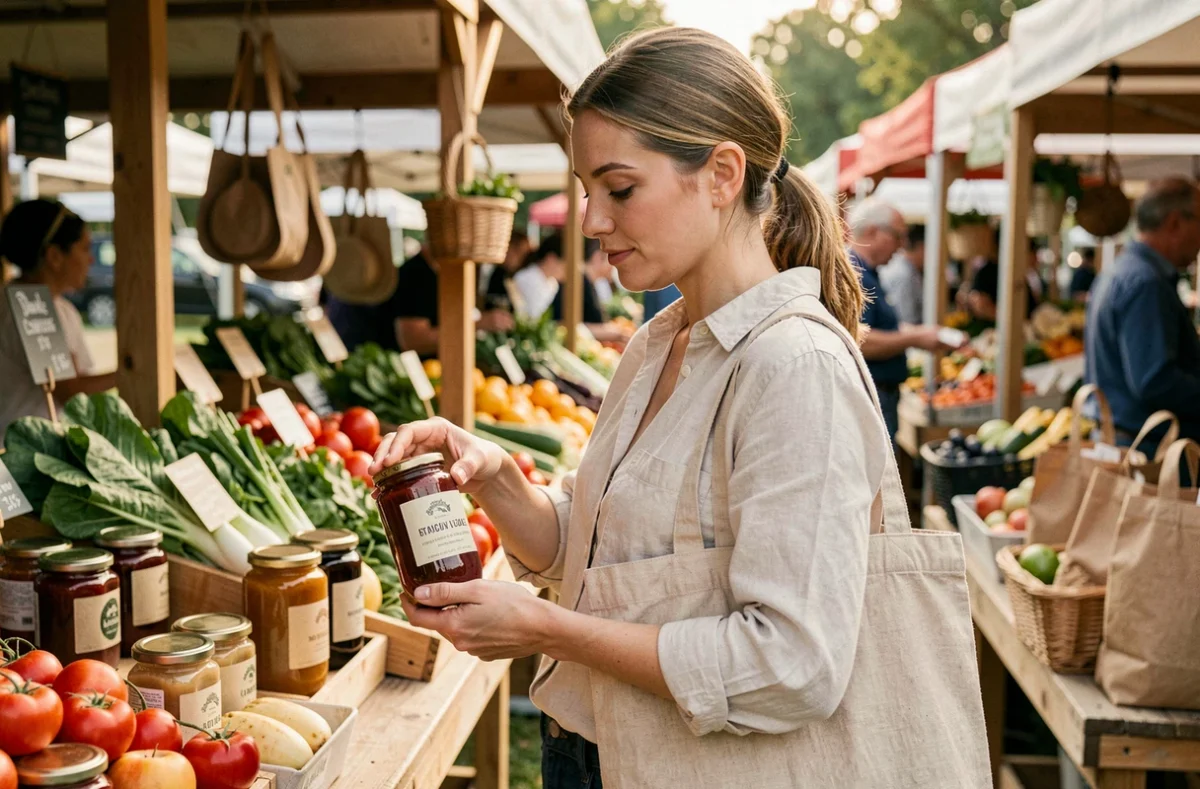
We buy a bundle of second-hand clothes because the price is ridiculously low, then realize we would never have bought those items at full price. The “green” basket at the supermarket costs less thanks to special offers, so we buy twice as much.
Making better choices every day is about more than picking the right label or hunting for bargains: it starts with learning to spot the mechanisms that encourage us to buy more in the name of responsibility.
Second-hand goods and green promotions: when responsible consumption leads us to buy more
The logic seems sound: a second-hand item costs less, so we’re getting a good deal. The problem arises when the bargain becomes the reason for buying it. Asking yourself whether you would have bought the item at full price is the most effective way to think twice before checking out a second-hand purchase.
The same mechanism applies to products labeled “eco-friendly.” A reduced price or reassuring packaging can prompt a purchase we wouldn’t otherwise have made. We end up accumulating items whose impact, even if lower per item, can eventually exceed that of a single, considered new purchase.
For a clearer picture, the Quoidemeuf.net section on Oh my shoe sets out practical criteria for distinguishing genuine bargains from impulse buys disguised as responsible choices.
The rule of thumb is simple: before every purchase (new, second-hand, or on green promotion), identify the specific need the item is meant to meet. If that need didn’t exist before you saw the offer, the purchase isn’t an informed choice—it’s a reaction to the price.
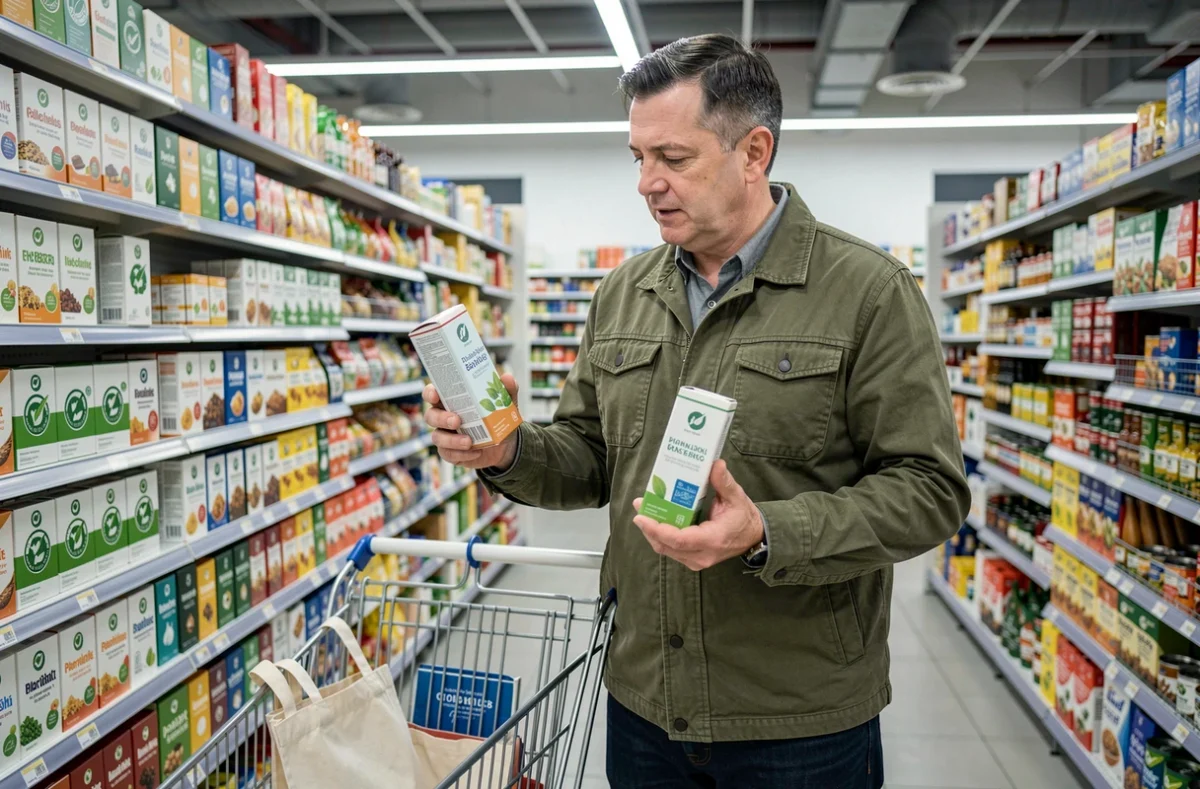
Labels and durability ratings: understand what they actually measure
Since January 2025 for televisions and April 2025 for eligible washing machines, the durability index has replaced the repairability index for these product categories. The new index takes reliability and robustness into account, not just ease of repair. For other appliances, the old repairability index is still shown on the label.
In June 2025, the European energy label for smartphones and tablets added a repairability class. This is separate from France’s durability index. As a result, two rating systems coexist, depending on the product category, making comparisons more complicated.
Check what the displayed score is based on
A high repairability score says nothing about a product’s actual lifespan. Conversely, a low durability score may simply indicate that spare parts are hard to find, not that the appliance is fragile. Each index measures specific criteria that you need to understand before comparing two products.
- The repairability index rates the availability of spare parts, their price compared with the cost of a new product, and access to technical documentation.
- The durability index adds reliability criteria (resistance to repeated use) and robustness (resistance to impacts and moisture, depending on the product category).
- The European energy label for smartphones rates repairability on a separate scale and does not include robustness.
When comparing two washing machines in a store, checking whether the label shows a durability or repairability index changes how you interpret it. The former gives a more complete picture; the latter covers only ease of repair.
Environmental claims on products: spot greenwashing in everyday life
Terms such as “eco-friendly,” “natural,” and “planet-friendly” have no strict regulatory definition. The DGCCRF conducted investigations into environmental claims in 2023–2024, with findings published on October 1, 2025. Compliance measures were taken, confirming that vague claims on packaging should be checked rather than trusted blindly.
Textile environmental labeling: a tool that is still limited
Since October 1, 2025, France has offered an environmental cost label for clothing, calculated using the Ecobalyse tool. It takes several types of impact into account. However, the scheme remains voluntary: brands can choose not to display the score without breaking the law.
In practice, this means that brands displaying the score are often those with favorable results. The absence of a score on a garment doesn’t mean it is polluting, but voluntary labeling creates a selection bias to keep in mind when shopping.

Food shopping habits: choose fruit and vegetables without overcomplicating things
You don’t need to buy everything organic to improve your diet. The everyday challenge is to distinguish genuine health benefits from marketing.
- Choosing seasonal fruit and vegetables reduces the need for post-harvest preservation treatments, regardless of whether they are organic or conventionally grown.
- Comparing the price per kilo rather than the price per item helps you avoid overpackaged “snack” sizes that cost two to three times as much.
- Claims such as “pesticide-free” or “zero residue” are based on standards that vary by brand. Look for the name of the standard on the packaging to check what is actually guaranteed.
A common trap in the produce aisle is buying more fresh food because it’s “healthy,” then throwing some of it away at the end of the week. Planning meals for four or five days is still the most practical way to reduce both food waste and your grocery bill.
Making informed choices every day doesn’t require mastering every regulation or every score displayed in stores. The guiding principle is always the same: identify your need before looking at what’s on offer, understand what an index or label actually measures, and don’t confuse a bargain with a useful purchase. Regulatory tools are multiplying, but the question you ask yourself before buying is what makes the difference.