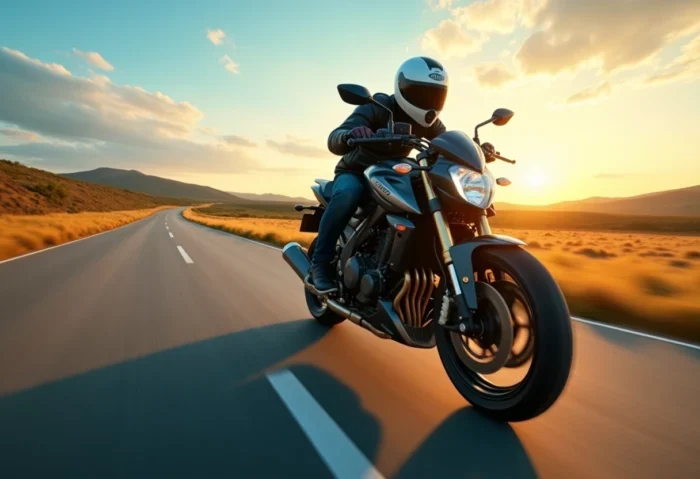
Speed and adrenaline enthusiasts have always been fascinated by motorcycles capable of pushing the limits of performance. Manufacturers compete with ingenuity to create ever-faster machines, equipped with the latest technological advancements. From the legendary Kawasaki Ninja H2R to the powerful Ducati Panigale V4, these beasts embody mechanical excellence and the boldness of engineers.
Behind these feats lie major innovations in engine technology, aerodynamics, and materials. Each model is the result of extensive research and rigorous testing aimed at maximizing speed while ensuring rider safety. The quest for the fastest motorcycle is an endless race, where every small improvement can make a difference.
Cutting-edge technologies behind the fastest motorcycles
The engineering of the fastest motorcycles relies on a combination of cutting-edge technologies aimed at maximizing performance and top speed. Among the most remarkable innovations are:
- Powerful engines: Multi-cylinder engines, such as those in the Kawasaki Ninja H2R and Suzuki Hayabusa GSX1300R, deliver exceptional power, allowing for breathtaking speeds.
- Carbon fiber bodywork: The use of this ultra-lightweight and strong material improves aerodynamics and reduces the overall weight of the machine, as seen on the Ducati Panigale V4R.
- Turbine technology: The MTT Turbine Superbike Y2K, designed by Marine Turbine Technologies, incorporates a Rolls-Royce Allison helicopter turbine, offering unparalleled acceleration.
Iconic examples
The Dodge 8300 Tomahawk 2003, designed by Dodge, illustrates the extreme use of these technologies. With a theoretical top speed of 560 km/h, this revolutionary model is equipped with a 8.3-liter V10 engine borrowed from the Dodge Viper, demonstrating the integration of automotive technologies into the world of two wheels.
Among other notable models are the Honda CBR1100XX Blackbird and the BMW S1000RR. These motorcycles benefit from constant improvements in engine electronic management and advanced suspension systems, ensuring not only high performance but also increased stability and safety for the rider.
The quest for ultimate speed drives manufacturers to continuously innovate, exploring increasingly cutting-edge materials and technologies. The result is a range of motorcycles that continually push the boundaries of performance and technology.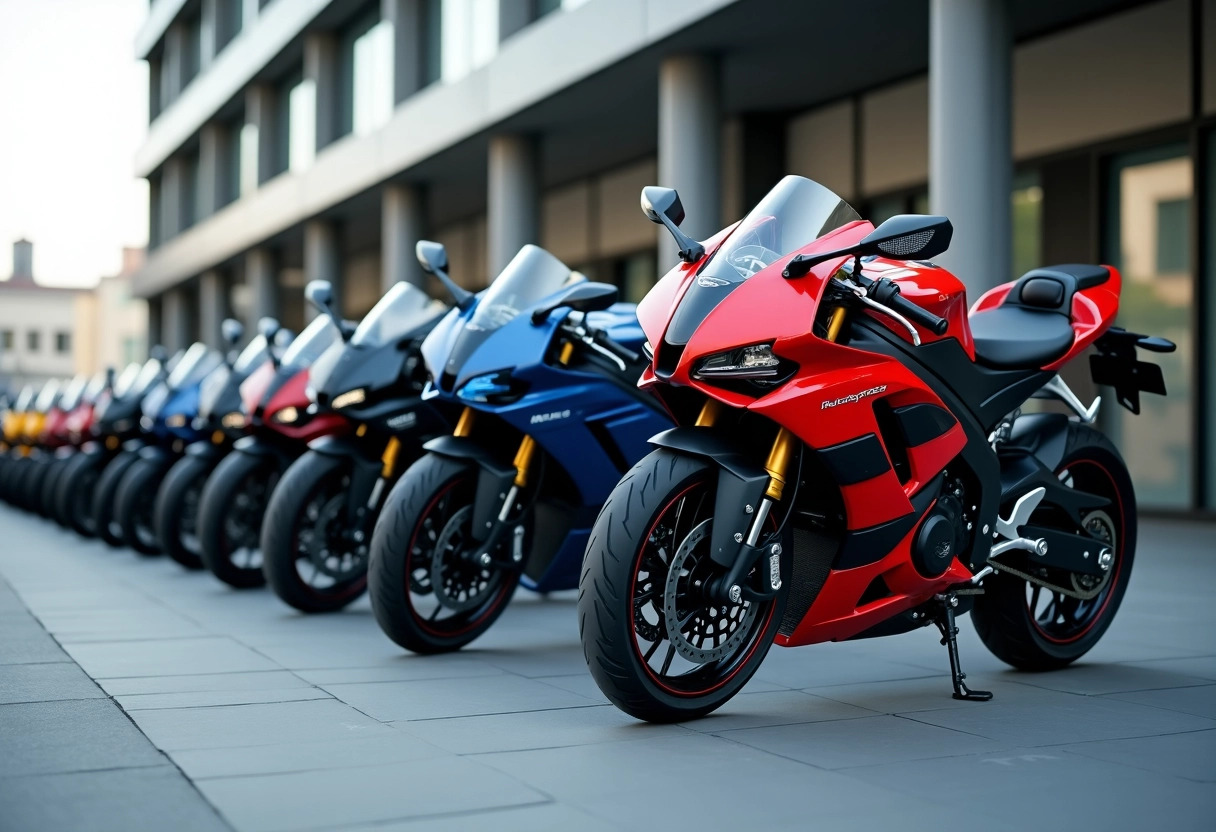
Performance analysis of the fastest motorcycles in the world
The analysis of the performance of the fastest motorcycles in the world reveals a frantic race for speed records. The available data shows impressive top speeds, reflecting technological advancements and the relentless pursuit of performance. Here is an overview of the speeds achieved by some iconic models:
- Dodge Tomahawk: 560 km/h
- Kawasaki Ninja H2R: 400 km/h
- MTT Turbine Superbike Y2K: 365 km/h
- Honda CBR1100XX Blackbird: 306 km/h
- Aprilia RSV4: 304 km/h
Performance comparison
The performance differences between these machines are often explained by varied technical choices. The Kawasaki Ninja H2R, for example, is designed with a supercharged engine, allowing it to reach speeds worthy of the greatest circuits. In contrast, the Suzuki Hayabusa GSX1300R, despite a slightly lower top speed of 299 km/h, stands out for its exceptional stability and handling.
| Model | Top Speed |
|---|---|
| Dodge Tomahawk | 560 km/h |
| Kawasaki Ninja H2R | 400 km/h |
| MTT Turbine Superbike Y2K | 365 km/h |
| Honda CBR1100XX Blackbird | 306 km/h |
| Aprilia RSV4 | 304 km/h |
Performance factors
The performance of these motorcycles depends on several key factors:
- Engine power: expressed in horsepower, it determines acceleration capability.
- Aerodynamics: designed to reduce drag and maximize speed.
- Weight: influencing handling and acceleration.
The supercharged engine of the Kawasaki Ninja H2R, for example, gives it exceptional power, while the carbon fiber used in the Ducati Panigale V4R reduces its weight and enhances its overall performance.
The constant search for innovative technologies and the integration of advanced materials allow these motorcycles to push the limits of speed and performance.