Brussels programs several hundred cultural events each year, from contemporary art trails to outdoor festivals. Behind the posters and queues, a complex mechanism mobilizes dozens of actors, from technical teams to neighborhood collectives. Understanding these behind-the-scenes elements allows us to measure what distinguishes the Brussels cultural scene from other European capitals.
Networks of venues and urban logistics: how Brussels organizes its cultural events
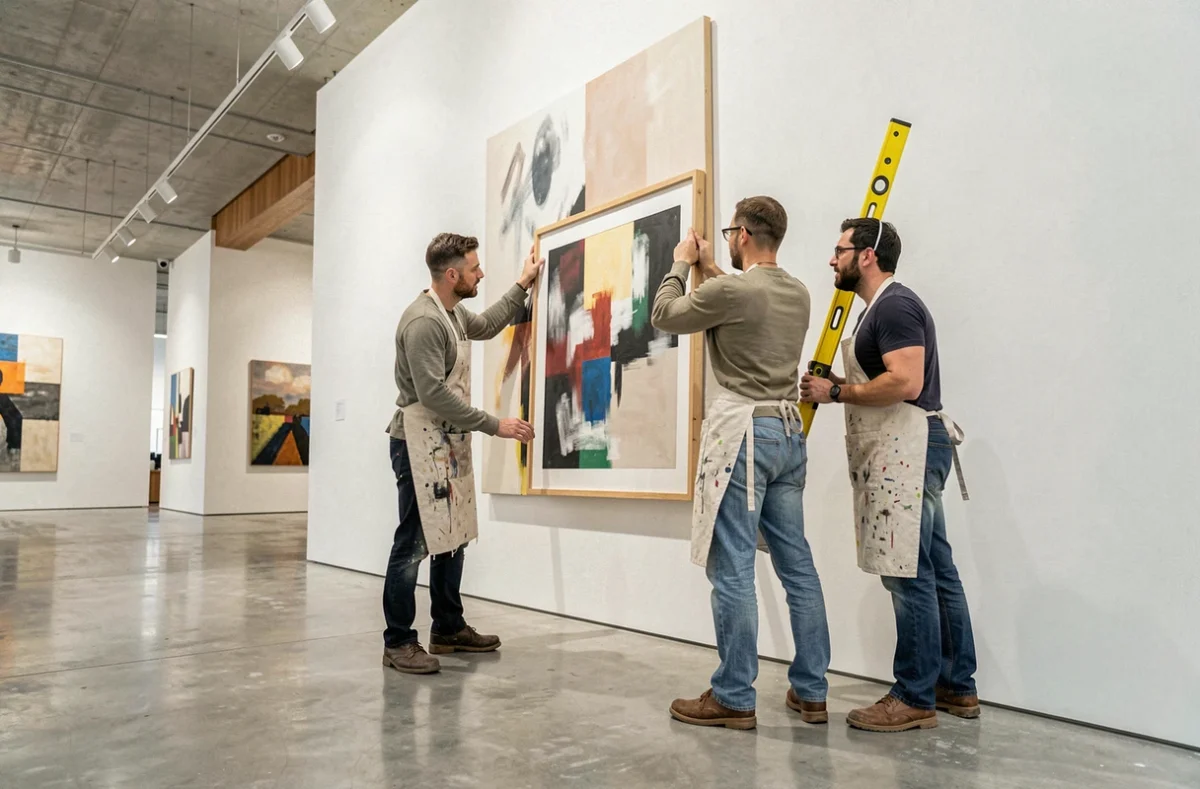
The Brussels model increasingly relies on multiple sites rather than a single location. The 2026 edition of RendezVous-Brussels Art Week illustrates this trend: 98 participating venues compared to 67 in 2025, spread across the Westside, Downtown, and Uptown trails. This geographical dispersion offers visitors a stroll through several neighborhoods, from the historic center to Ixelles or Molenbeek.
This networked organization poses concrete challenges. Coordinating signage, opening hours, and security across so many sites requires planning that begins several months before the event. Logistics teams must deal with very different spaces: a gallery on Place Sainte-Catherine has different constraints than a repurposed warehouse along the canal.
The Brussels cultural programming now integrates sustainable mobility directly into its mediation. The STIB communicates about the routes connecting the exhibition venues, and some trails are designed to be accessible by foot or by bike. Le Off contributes to this dynamic by making visible cultural proposals that often escape official agendas.
Behind the scenes of Brussels events: the jobs and infrastructures you don’t see
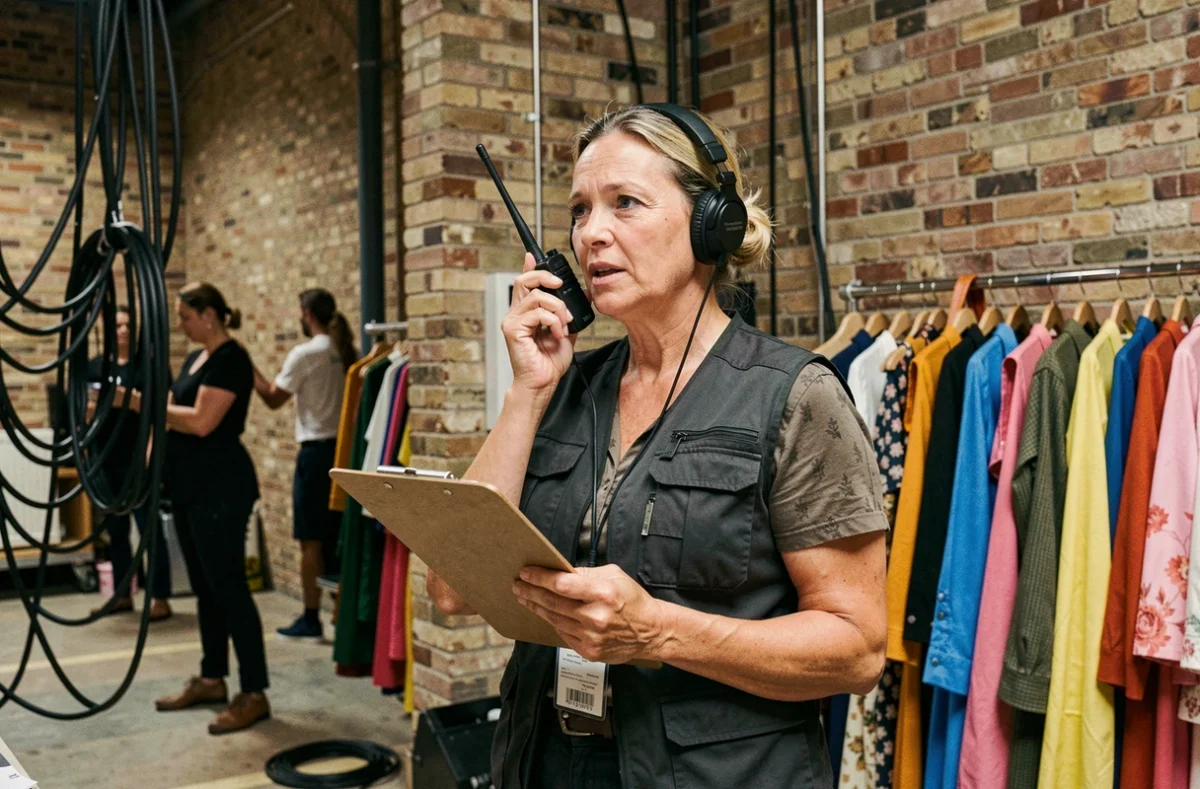
A festival or exhibition is not just what the public perceives on the day itself. Behind-the-scenes access initiatives are multiplying in Brussels, transforming visits to technical teams, assembly workshops, or museum reserves into full-fledged cultural events. These initiatives highlight rarely visible professions: stage managers, set designers, lighting technicians, mediators.
Calls for projects favor outdoor formats led by local collectives. It is no longer just a question of artistic programming. Neighborhood teams design micro-events (public readings in a park, projections on facades, screen printing workshops) that would not have existed ten years ago in institutional circuits.
The security aspect deserves mention. Belgium regulates professional and public events through specific obligations (evacuation plans, coordination with police zones). For organizers, this framework represents a significant budgetary and administrative burden, sometimes underestimated by emerging collectives.
What the Art Deco Year 2025 reveals about the sector’s capacities
The Art Deco Year, supported by urban.brussels and visit.brussels, mobilized 24 exhibitions and more than 1,050 guided tours. Attendance was particularly high in the 17 participating institutions. This program expanded the heritage offering well beyond traditional tourist circuits, opening buildings that are usually closed to the public.
This type of large-scale operation tests the limits of coordination between institutions, municipalities, and volunteers. Feedback from the field varies on the ability to maintain a consistent quality of mediation when so many sites are mobilized simultaneously.
Funding and calls for cultural projects in Brussels: a model under pressure
The increase in events says nothing about their financial sustainability. Regional calls for projects direct an increasing share of funding towards participatory and decentralized formats. This changes the very nature of cultural proposals:
- Collectives must prepare heavy administrative files for sometimes modest budgets, which favors structures already accustomed to the process.
- Private venues (galleries, cafes, artists’ studios) take over when subsidies are lacking, but without guarantees of continuity from one year to the next.
- Partnerships with the public transport or tourism sectors provide additional visibility, but the available data does not allow for measuring their actual impact on attendance at small events.
The increase from 67 to 98 venues in one year for Brussels Art Week illustrates the rapid absorption capacity of the Brussels urban fabric. However, this growth raises the question of clarity for the public: how to choose from such a dispersed offering without a reliable central aggregator?
Outdoor cultural events in Brussels: an underlying trend
The Brussels Open Air Festival, returning for a third edition in 2026, confirms the anchoring of outdoor formats in the Brussels cultural landscape. Parks, squares, and canal banks become full-fledged stages, with acoustic and weather constraints that performance halls do not face.
Outdoor programming attracts a different audience than that of museums or galleries. Families, residents of neighboring districts, and occasional passersby constitute an audience that cultural institutions struggle to reach otherwise. The Comic Strip Festival at the Bourse, for example, brings Belgian comics right into the city center, in a space of daily passage.
This openness comes at a cost. Setting up a stage or a temporary exhibition in public space requires municipal permits, temporary installations, and quick dismantling. Organizers describe a constant balancing act between artistic ambition and logistical feasibility.
Changing neighborhoods and cultural mapping
Cultural events are redrawing the map of Brussels. The trails of Brussels Art Week cross areas that were not associated with contemporary art a few years ago. The art market and the café-galleries of Ixelles coexist with repurposed industrial wastelands along the canal.
This geographical redistribution reflects both a political and artistic will. Calls for projects explicitly encourage establishment in neighborhoods far from the tourist center. Data is lacking to assess whether this strategy permanently alters visitor flows or if the effect remains temporary, limited to the duration of the event.
The Brussels cultural scene operates like a decentralized organism, where each edition of a festival or artistic trail tests new venues and new audiences. What happens behind the scenes, from drafting a call for projects to wiring a sound system in a courtyard, determines as much the quality of an event as the programming itself.