The development of a baby relies on the interaction between the maturation of their nervous system and the daily stimuli they receive. Every shared gesture, every vocal exchange, and every moment of free play contributes to the building of their motor, language, and emotional skills. Supporting this process does not require expensive materials or rigid methods, but rather an attentiveness to the signals the child sends and an environment tailored to their needs.
Technoference and interactions: what screens change even before the baby looks at them
Recent recommendations no longer limit themselves to the baby’s screen time. The concept of technoference describes the interference that an adult’s screen use has on the quality of exchanges with the child, even when the baby is not directly looking at the device.
In practical terms, a parent absorbed in a phone reduces their verbal exchanges, eye contact, and responses to the baby’s cues. Shared play and joint attention, two drivers of language development, are weakened as a result. Therefore, the priority is not to ban all screens in the home, but to protect moments of direct interaction: meals, diaper changes, floor play, reading.
For families wishing to delve deeper into the guidelines and resources related to the first year, it is useful to access Parents Ensemble for baby to explore different educational approaches.
Health booklet 2025: a screening tool that has become daily
The health booklet distributed since January 1, 2025, includes new grids aimed at detecting neurodevelopmental disorders. From the first weeks, the tracking pages invite parents to note specific observations: reactions to sounds, visual tracking, tone during carrying.
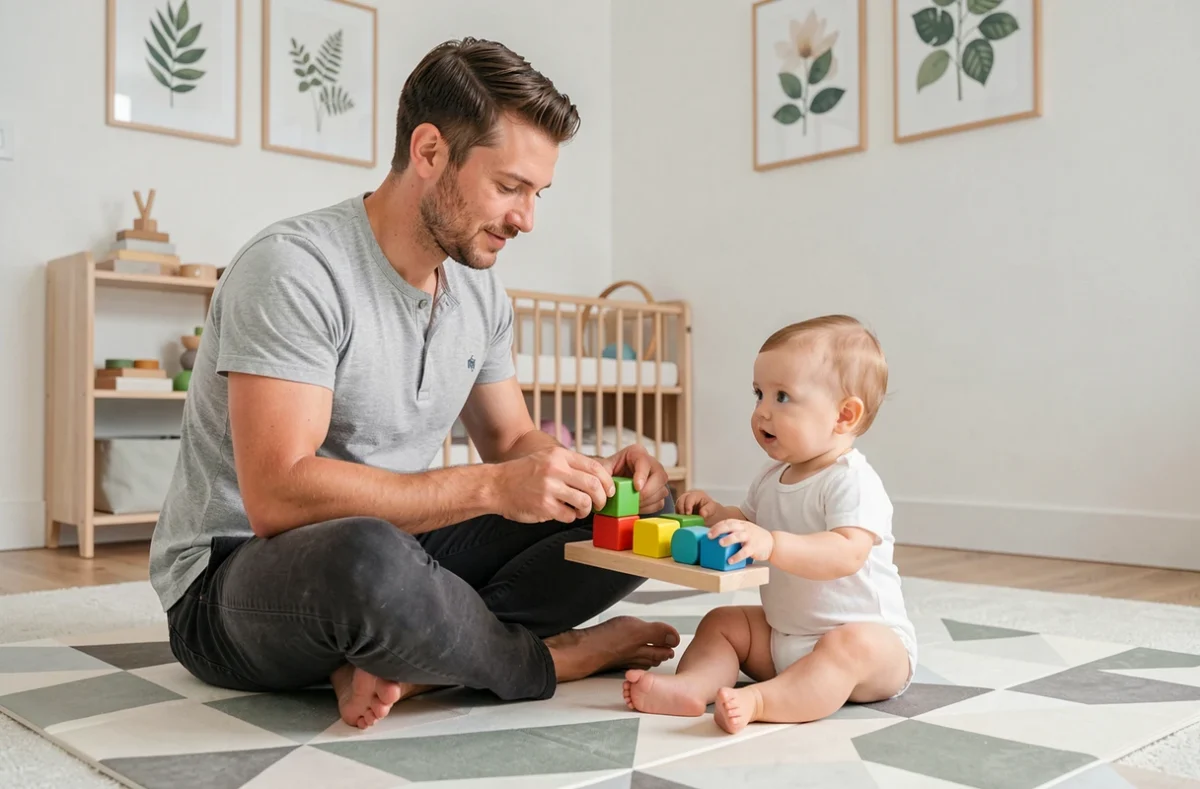
This evolution transforms an administrative document into a genuine support for dialogue with the doctor. During mandatory check-ups, the recorded observations allow for earlier detection of motor, sensory, or relational delays. The booklet also mentions screen exposure from three months, which directly relates to the issue of technoference.
To make the most of it daily, a few habits are sufficient:
- Note a short observation after each notable acquisition (first smile-response, stable head control, babbling directed at a face)
- Indicate the contexts in which the baby seems most responsive, as this provides insight into their dominant sensory channels
- Mention situations that cause prolonged discomfort (crying during certain noises, unusual stiffness of the trunk)
These notes do not replace a diagnosis, but they provide healthcare professionals with concrete reference points that a consultation alone may not always capture.
Safe sleep for infants: actions that reduce risks
Sleep safety is an aspect of daily life often intertwined with motor development, yet it deserves distinct attention. Recommendations converge on several clear practices:
- Put the baby to sleep on their back, on a firm, flat surface, without blankets, cushions, or bumpers
- Keep the crib empty, including without large stuffed animals or unapproved baby wedges
- Place the crib in the parents’ room during the first months, never allowing the baby to sleep on a couch or armchair
These rules may seem simple, but their application varies according to family configurations. A baby starting to roll over (often between four and six months) can worry parents. As long as the child is placed on their back at bedtime and rolls over on their own, the autonomously assumed stomach position does not require them to be repositioned systematically.
Free motor skills and floor play: structuring space rather than multiplying toys
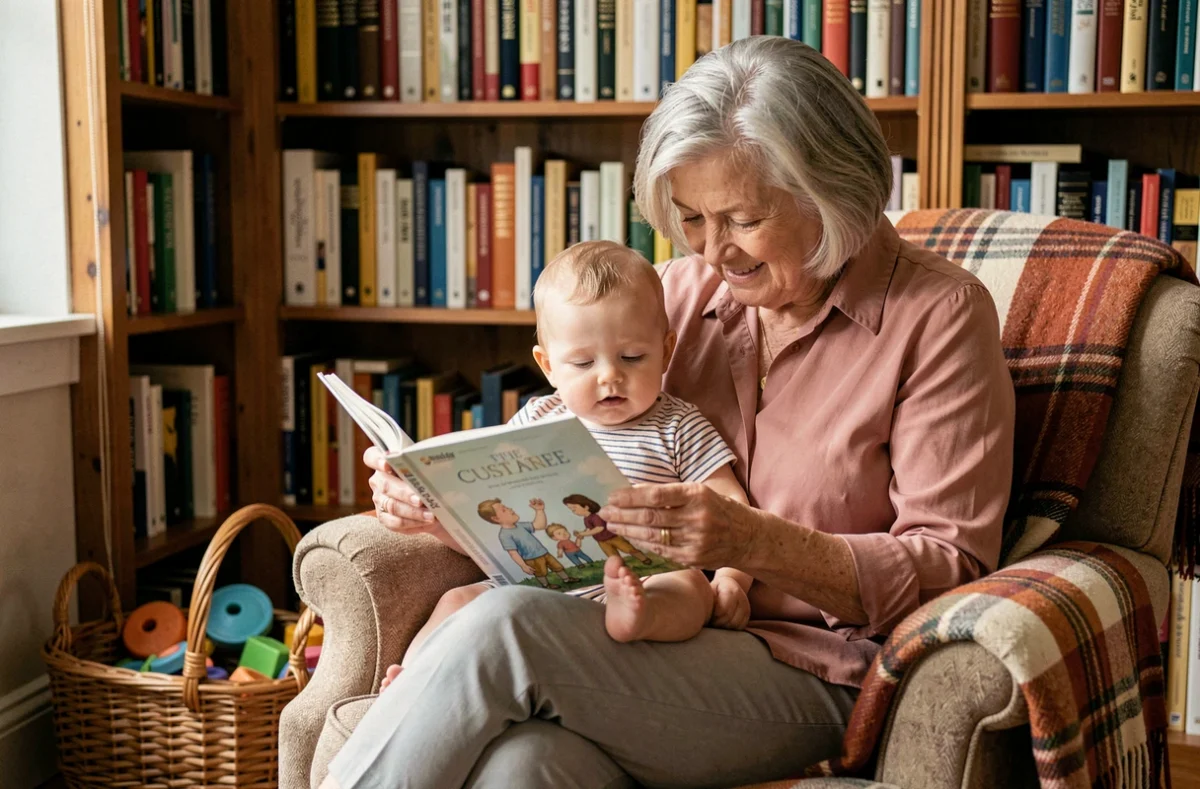
Free motor skills rest on one principle: allowing the baby to experiment with positions and movements at their own pace, without placing them in a posture they have not yet mastered. Sitting a baby who cannot hold themselves up, for example, demands an artificial balance and reduces their time for exploration on the floor.
A firm mat and a few objects of varying sizes and textures within reach are sufficient for the first months. The goal is not to stimulate constantly, but to allow the baby to choose what they explore. Turning their head towards a rattle, attempting to grab it, bringing it to their mouth: each gesture builds hand-eye coordination and strengthens trunk tone.
As the baby gains mobility (rolling over, crawling, creeping), the space must evolve. Removing dangerous obstacles rather than adding barriers everywhere gives the child a richer discovery perimeter. A low, stable piece of furniture that they can pull themselves up on when ready is better than a walker that imposes an early standing position.
Local support for families: a municipal obligation since 2025
The full employment law of December 18, 2023, applicable since January 1, 2025, requires municipalities to inform and guide families with a child under three years old. This obligation opens up easier access to parent-child care facilities, local parenting support networks, and childcare options.
For parents who feel isolated or overwhelmed by the early months, this municipal resource represents a concrete entry point. Contacting the town hall or the municipal social action center allows them to learn about available services nearby, including nurse consultations or parent support groups.
Supporting a baby’s development is not limited to a list of awakening activities or a schedule of acquisitions. The quality of presence matters more than the quantity of stimulation. A parent attentive to their child’s signals, who adapts the environment over the weeks and uses the tracking tools at their disposal, lays the foundation for solid development without unnecessary pressure.