Staying physically active and socially engaged after 60 is not a luxury. The combination of suitable exercises, cognitive stimulation, and regular social connections forms the foundation for healthy aging. Since the decrees n° 2023-234 and n° 2023-235 of March 30, 2023, adapted physical activity can be prescribed well beyond just severe pathologies, including for situations of loss of autonomy related to age.
The following ten activities each target a specific benefit (balance, memory, social connection, fine motor skills) and can be combined according to individual capabilities.
1. Group Tai Chi to Work on Balance
Fall prevention relies on three pillars: balance, strengthening of the lower limbs, and cardiorespiratory endurance. Tai Chi primarily addresses the first two. The slow movements engage the stabilizing muscles of the ankles and hips while working on coordination.
Finding activity ideas for seniors that are suitable for one’s level is often the first hurdle. Tai Chi has the advantage of being practiced without equipment, indoors or outdoors, and most municipal sports associations offer slots reserved for those over 60.
Balance is developed, it is not decreed. Two weekly sessions are sufficient to observe an improvement in postural stability within a few months.
2. Aquagym to Preserve Joints
Water supports the body and reduces joint strain, making aquagym particularly suitable for people suffering from osteoarthritis or lower back pain. Movements against the resistance of water strengthen muscles without impact.
Sessions led by a sports educator trained in adapted physical activity (APA) allow for targeted work. Note: an APA prescription is not automatically reimbursed by health insurance. Funding sometimes depends on a local authority, a mutual insurance company, or remains partially the responsibility of the practitioner.
3. Nordic Walking to Combine Endurance and Strengthening
Classic walking is beneficial, but it only moderately engages the upper body. Nordic walking, with its specific poles, involves the arms, shoulders, and trunk. The result: a higher energy expenditure and more comprehensive muscle work.
Clubs affiliated with the French Athletics Federation offer guided outings on adapted routes. The pace remains conversational, which encourages exchanges among participants.
4. Writing Workshops to Stimulate Memory and Language
Writing a short text engages working memory, vocabulary, and structuring ability. A weekly writing workshop encourages participants to seek the right word, organize their memories, and rephrase them.
Writing one’s memoirs, for example, constitutes a complete cognitive exercise. It requires recalling dates, places, faces, and then narrating them. The benefit is twofold: cognitive stimulation and family transmission.
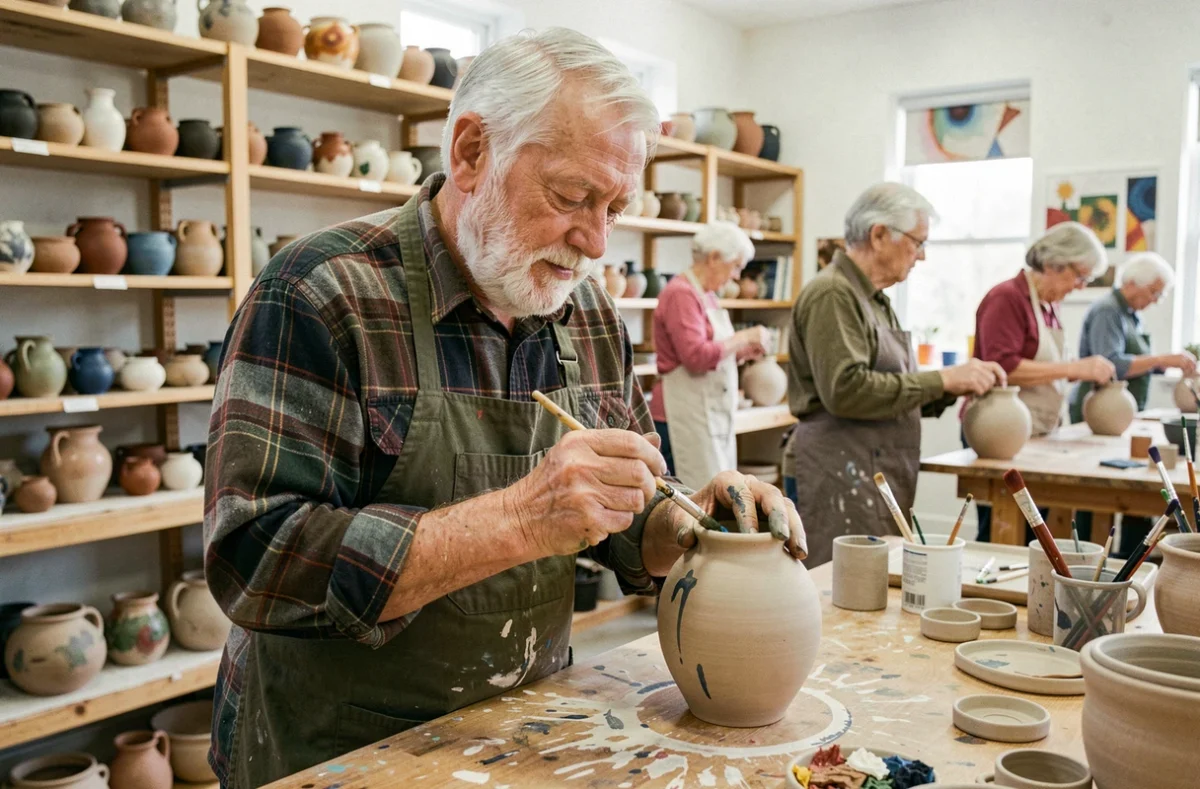
5. Therapeutic Gardening for Fine Motor Skills
Sowing, transplanting, pruning: these repetitive and precise actions maintain finger dexterity and hand-eye coordination. Gardening also provides exposure to natural light, which is beneficial for sleep regulation.
Many senior residences and associations offer shared gardens. The advantage over individual gardening: the collective dimension breaks isolation and creates a regular schedule of meetings.
6. Strategy Games to Maintain Executive Functions
Bridge, chess, scrabble: these games engage planning, anticipation, and mental flexibility, three executive functions that decline with age if not exercised. Scrabble, in particular, combines lexical search and point calculation.
Regularity matters more than the duration of each session. Two to three games per week, even short ones, maintain a sufficient level of cognitive engagement.
7. Choral Singing for Respiratory Capacity and Social Connection
Singing engages the diaphragm, intercostal muscles, and posture. Cognitively, memorizing lyrics and following a score require memory and shared attention.
Community choirs welcome all levels. The collective aspect is crucial: weekly rehearsals, concerts, shared meals. For seniors living alone, choral singing serves both a social and physical function.
8. Digital Initiation to Reduce Isolation
The digital divide still affects a significant portion of seniors. Participating in a digital mediation workshop allows learning to use messaging, make video calls, or carry out administrative procedures online.
These skills have a direct impact on daily autonomy. Here are the most requested uses during these workshops:
- Video calls with family, which partially replace visits when distance is an obstacle
- Managing medical appointments online, which has become almost mandatory in certain specialties
- Consulting bank accounts and tracking health reimbursements
9. Associative Volunteering to Provide a Weekly Framework
Retirement removes a structuring rhythm. Volunteering reintroduces fixed appointments, measured responsibilities, and regular social interactions.
The Restos du Cœur, tutoring associations, and municipal libraries actively seek senior volunteers. Engagement can range from two hours a week to half a day, depending on desires and physical condition.
- Tutoring or homework help, which values experience and patience
- Welcoming in cultural structures (museums, media libraries)
- Food distribution, which combines light physical activity and social utility
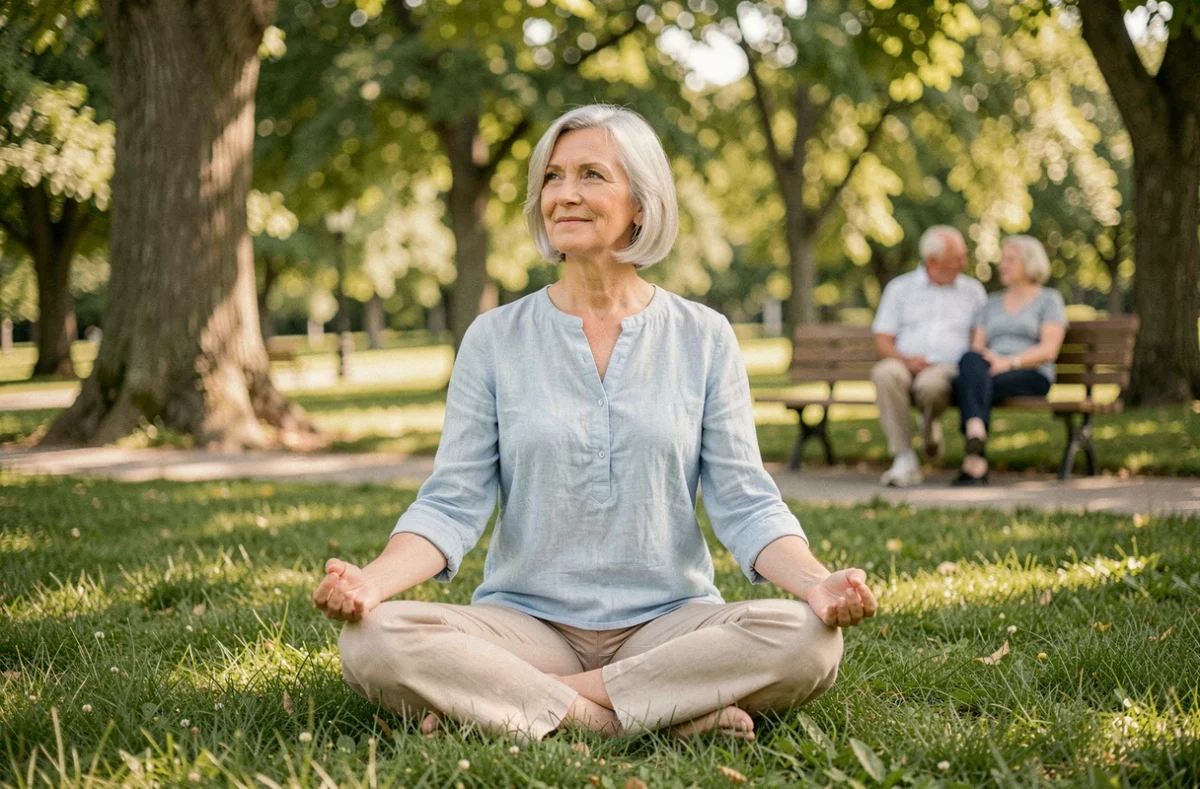
10. Sophrology to Manage Chronic Pain and Sleep
Sophrology is based on controlled breathing exercises, progressive muscle relaxation, and visualization. In seniors, it is often used to alleviate chronic pain, reduce anxiety related to sleep disorders, and improve body awareness.
Sophrology does not replace medical treatment, but it can complement existing care. Individual or small group sessions usually last less than an hour and do not require any particular physical condition.
None of these ten activities require a heavy financial investment or exceptional physical condition. The common point among Tai Chi, gardening, and choral singing is regularity: a modest but consistent practice protects better than an intense and sporadic effort. Municipalities, community action centers, and local associations remain the primary contacts for identifying available slots near home.